Hospitality Procurement
Custom Drinkware for Hotels: Guestroom, Conference, and Retail Procurement Guide
A practical hotel procurement guide for selecting custom drinkware by use case, with advice on cleaning, breakage, replenishment, packaging, documentation, and brand consistency.
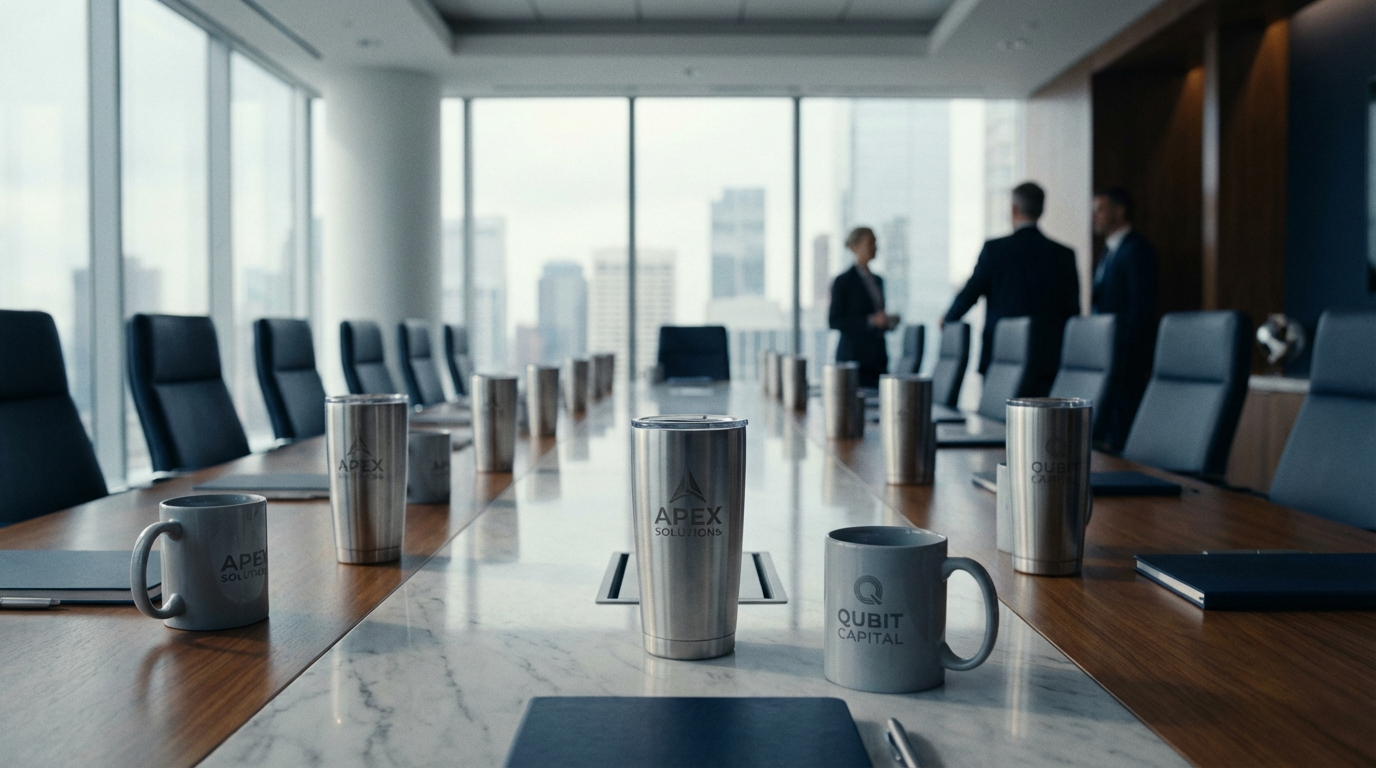
Hotels should not buy one custom cup for every operating area. Guestrooms, conference rooms, loyalty programs, pool decks, fitness centers, and retail shelves create different requirements for handling, cleaning, replacement, packaging, and brand presentation. The practical procurement decision is to build a small drinkware system: specify each use case separately, standardize the visual identity, and control replenishment with the same rigor used for linens or guest amenities.
For food and beverage service, ask the supplier to document the intended food-contact use of the material, decoration, coatings, and lids. The custom drinkware food-contact documentation guide can help organize the records your purchasing and quality teams should request. The FDA explains that a food-contact substance includes materials used in packaging, processing equipment, preparation surfaces, and cookware, and that a food additive used for food contact must be authorized for its intended use before marketing in the United States (FDA, “Food Packaging & Other Substances that Come in Contact with Food”). Local adoption of the FDA Food Code can add operational requirements, so the property’s food-service and regulatory teams should confirm the applicable state or local code rather than treating a supplier statement as a universal approval.
Start with the operating job, not the logo
The same logo can appear on a ceramic mug in a suite, a lightweight tumbler in a meeting room, and a boxed bottle in the gift shop. Those items should not automatically share the same construction. Begin with five questions: Who uses it? Where is it washed? How often is it handled? What happens when it breaks or disappears? Is it consumed on site or sold as merchandise?
| Hotel use case | Practical specification priorities | Main replenishment risk | Typical presentation |
|---|---|---|---|
| Guestrooms and suites | Comfortable rim, stable base, clear care instructions, repeatable replacement SKU | Breakage, loss during room turns, mixed replacements | Unboxed or amenity-set presentation |
| Conference and banquet rooms | Stackability, efficient handling, visual uniformity, fast reset | High event-volume loss or damage | Bulk cartons or service-ready cases |
| Loyalty and VIP gifts | Perceived value, personalization rules, documented food contact, gift-ready finish | Inconsistent personalization and recipient data | Individual box, sleeve, or kit |
| Pool and fitness areas | Grip, portability, spill control, cleaning workflow, outdoor-use fit | Misplacement and cross-area mixing | Simple branded unit or staff-issued item |
| Retail merchandise | Shelf appeal, barcode/SKU control, protective pack, consumer care information | Transit damage, returns, stale packaging | Retail-ready box or hangtag |
This separation also prevents a common cost error: comparing unit prices across items that perform different jobs. A room-service mug and a retail gift may have the same nominal capacity but very different total costs because packaging, inspection, decoration, and replacement rates differ.
Guestrooms and suites: prioritize serviceability
Guestroom drinkware is part of the room-turnover system. Housekeeping needs to identify it quickly, wash it through the property’s approved process, and replace it without debating which version belongs in the room. A practical room specification should state the vessel shape, capacity, color, logo position, care instructions, and replacement code. If lids, saucers, or silicone parts are included, list them as separate components so a missing part does not force disposal of the whole set.
Ceramic mugs can support coffee and tea service, especially where the property already has a dishwashing workflow. A consistent ceramic mug program should define whether the logo is printed, decorated, or engraved, and whether the approved care method is hand washing or commercial dishwashing. Do not promise dishwasher performance unless it has been validated for the exact decoration and care cycle. The vessel may tolerate the wash process while the decoration does not.
For glass or ceramic items, the replacement plan matters as much as the initial order. Keep a controlled reserve by property or room type rather than mixing visually similar products. If a hotel has multiple locations, retain a master specification with the approved color reference, artwork file, dimensions, and packaging configuration. That record helps a buyer reorder the same item instead of accepting a near-match that gradually fragments the guest experience.
Housekeeping instructions should also cover damaged items. OSHA’s technical manual advises that large pieces of broken glass be removed with a broom and placed in a separate container, while small pieces should be picked up with tongs, never fingers (OSHA Technical Manual, “Hospital Investigations: Health Hazards”). The guidance is written for health-care settings, not hotels, but the underlying handling principle is directly relevant to any workplace where broken glass can injure staff. A property should adapt it to its own safety program and local requirements.
Conference and banquet rooms: design for reset speed
Meeting-space drinkware is exposed to fast setup, partial consumption, bussing, and hurried restocking. The best specification is usually simpler than a guestroom gift: a shape that nests or stacks predictably, a decoration that remains legible under normal service handling, and cartons that staff can move without repacking. Ask for case-pack quantities and master-carton dimensions early. Those details affect storage space and the speed of a room reset.
Use one approved vessel for recurring meetings where possible. Multiple shapes increase sorting time and make it harder to count clean stock. If the hotel uses different brands or event tiers, distinguish them with a controlled color or subtle mark rather than changing the entire form. This preserves a common visual language while allowing the catering team to identify inventory by service level.
Cleaning specifications must match the property’s actual equipment and chemicals. The CDC states that surfaces should be cleaned before sanitizing or disinfecting because soil can make sanitizing chemicals less effective; it also says products must be appropriate for the surface and used according to their label directions (CDC, “When and How to Clean and Disinfect a Facility”). For drinkware, that means the purchasing file should identify the material and decoration, while the stewarding team validates the wash, rinse, and sanitizing process. Avoid vague requirements such as “commercial dishwasher safe” without defining the machine, detergent, temperature, cycle, and number of test cycles.
Loyalty gifts and VIP amenities: separate personalization from operations
A loyalty gift has two jobs: it must feel intentional to the recipient and remain manageable for the hotel. Decide whether the property needs one evergreen design, a member-tier variation, or individual names. Each additional variation creates proofing, inventory, and replenishment work. For most programs, a stable logo with a limited set of approved colors is easier to maintain than frequent artwork changes.
Use an order record that ties each gift to a recipient tier, quantity, delivery location, packaging format, and approved proof. If the program includes welcome letters or other items, define who assembles the set and whether gifts ship in bulk to the hotel or are individually kitted. The corporate gift drinkware fulfillment and kitting guide provides a useful framework for separating product, packaging, insert, and fulfillment decisions.
Food-contact documentation still matters for gifts. A bottle or mug may be presented as a keepsake, but the recipient will likely use it for beverages. Request material declarations and intended-use documentation for the vessel, lid, seal, inks, coatings, and any interior finish. The FDA’s framework is use-specific: evidence for one material, temperature range, or food type should not automatically be extended to another configuration. Keep the documentation with the approved product specification rather than in a separate email thread.
Pool and fitness areas: optimize control and cleaning
Pool and fitness drinkware is more exposed to drops, loss, sunscreen, sweat, and frequent handling than a bedside mug. The procurement brief should state whether the item is guest-owned, loaned, or sold. A loaned bottle may need a distinct color or property mark so staff can identify it during collection. A retail bottle may need a consumer-facing care label and a package that survives repeated shelf handling.
Choose closure and form based on the environment. A narrow opening may reduce spills but add cleaning complexity. A wide opening may be easier to inspect and wash but require a more deliberate carrying method. Do not infer that a lid is leakproof from its appearance; request a written performance specification and sample-test the exact lid, gasket, and decoration combination.
For high-touch areas, the CDC recommends regular cleaning and increased frequency in high-traffic settings, with disinfection added when appropriate to the situation and product label (CDC). A hotel should therefore define a realistic cleaning workflow before selecting a complex lid or textured exterior. If staff cannot disassemble, rinse, dry, and inspect every component consistently, a simpler design may be the safer operating choice.
Retail merchandise: treat packaging as part of the product
Retail drinkware is not just an operating supply with a higher price. It is a packaged product that must survive storage, handling, display, and possibly parcel delivery to the guest’s home. Decide the intended sales channel before approving the package: lobby shop, resort boutique, online store, or a gift-shop counter. Each channel may require a different balance of shelf visibility, protection, information, and pack size.
The custom drinkware packaging options guide can help structure the choice between a simple sleeve, folding carton, rigid gift box, or shipping-ready configuration. Whichever format is selected, confirm that the package identifies the product clearly, protects the rim and decoration, and leaves room for care instructions and any required commercial labeling. Do not make unqualified origin claims on the box. The Federal Trade Commission says an unqualified “Made in USA” claim generally requires that the product be “all or virtually all” made in the United States (FTC, “Complying with the Made in USA Standard”).
For fragile ceramic or glass merchandise, test the product and package together. ISTA distinguishes screening tests from general simulation tests and describes the latter as laboratory simulations of damage-producing motions, forces, conditions, and sequences in transport environments (ISTA, “Test Procedures”). A buyer does not need to order a formal test for every small replenishment, but a new retail package or shipping route deserves documented evaluation. Record the package configuration, orientation, protective inserts, carton quantity, and observed damage so a later supplier cannot silently substitute a lighter pack.
Build a replenishment model before the launch order
A hotel should forecast each use case separately. A simple monthly planning calculation is:
Reorder point = expected usage during supplier lead time + safety stock
For a conference mug, expected usage may be the average number consumed or removed per month multiplied by the lead time in months. Safety stock should reflect uncertainty in event volume, breakage, seasonal occupancy, and delivery timing. Do not apply the same reserve percentage to a retail bottle and a guestroom mug. Their demand signals and failure modes are different.
A worked example shows the logic without pretending to know a property’s actual loss rate. If a hotel uses 240 banquet tumblers per month, the confirmed replenishment lead time is two months, and the purchasing team chooses a reserve of 120 units, the reorder point is 600 units: (240 × 2) + 120 = 600. That number is a control trigger, not a promise that 600 units will cover every disruption. Review it after a season of actual issue, damage, and inventory data.
Track at least four fields by SKU: opening stock, issues or sales, confirmed damage or loss, and closing stock. Add the location and date of each count. When the numbers disagree, investigate before increasing the order. Unrecorded transfers between banquet, housekeeping, and retail can look like breakage and lead to excess inventory.
Make brand consistency measurable
Brand consistency is more than putting the same logo on every vessel. It includes logo scale, clear space, color reference, decoration method, placement, packaging hierarchy, and the way replacement units appear beside the original batch. Approve a physical production sample under the property’s lighting and compare it with the brand standard. Screen and print colors are not reliable substitutes for an approved physical reference.
Keep one specification pack for every SKU. It should include the approved artwork, dimensions, material and component list, food-contact documentation, decoration method, care instructions, packaging dieline or photos, carton pack, and inspection checkpoints. Link changes to a revision date and approver. This prevents a vendor, hotel department, or new buyer from using an old logo file.
A hotel’s best procurement decision is rarely the most decorative vessel. It is the configuration that matches the job, can be cleaned through the real workflow, can be replaced without visual drift, and arrives in packaging appropriate to its channel. Separate the use cases, document the food-contact and care assumptions, test fragile packs where the distribution risk justifies it, and manage replenishment by measured SKU data. That approach protects guest experience and operating control at the same time.
Sources