Use Case
Corporate Wellness Water Bottle Programs: Procurement Checklist
Procurement checklist for corporate wellness water bottles: objectives, materials, lids, cleaning, compliance, distribution, and quality control.
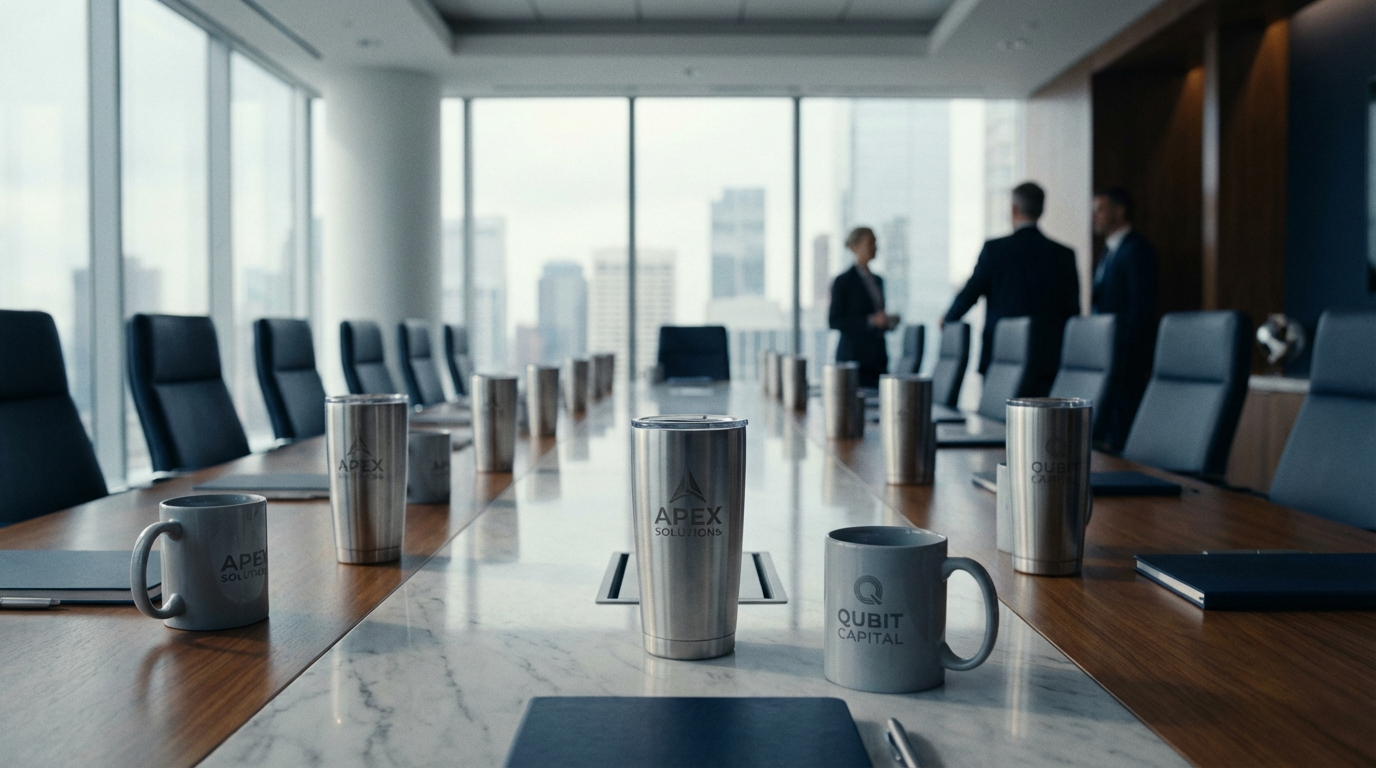
A corporate wellness water bottle program works when the bottle is treated as a controlled workplace tool, not a logo giveaway. Define the health objective, user environment, bottle and lid specification, cleaning instructions, food-contact documentation, distribution plan, inspection criteria, and replenishment rule before requesting quotes. The right specification makes adoption measurable and repeatable.
Start with the program objective
Procurement should begin with the behavior the organization wants to support. “Improve hydration” is directionally useful but too broad for a purchase order. A desk-based wellness campaign may need a bottle that stays visible, fits an office water station, and is easy to wash. A field or manufacturing program may prioritize a robust closure, carry method, and access to cool water. A multi-office employer may care most about allocation, labeling, and repeatability.
Write the objective as an operating statement: who receives the bottle, where it will be used, what beverage is intended, when it will be distributed, and how the program owner will know the rollout is complete. Do not promise a medical outcome from the merchandise. A bottle can make drinking water more convenient and visible; it cannot replace a workplace heat plan, clinical advice, or access to potable water.
For work in heat, the container is only one part of the control system. OSHA’s Water. Rest. Shade guidance says employers should provide cool water that is easy to access and available in sufficient quantity, and it emphasizes regular drinking rather than waiting for thirst. NIOSH likewise describes water as generally sufficient for hydration and gives heat-work guidance on frequent, moderate drinking in its Heat Stress: Hydration fact sheet. Those sources support planning the bottle around access and use—not presenting it as a safety program by itself.
Procurement checklist: define the user and use case
Before selecting a model, record the following in the brief:
- Recipient groups: office staff, remote employees, field teams, visitors, or a mixed population.
- Use locations: desks, cars, gyms, job sites, warehouses, outdoor events, or shared break rooms.
- Beverage: cold water only, room-temperature water, or another declared beverage category.
- Handling: carried in a bag, placed in a cup holder, stored in a locker, or used beside equipment.
- Cleaning: recipient-washed at home, cleaned at a site, or supported by a documented care instruction.
- Distribution: one central issue, several offices, onboarding waves, or an annual campaign.
- Brand requirement: body decoration, lid decoration, variable names, department marks, or one standard artwork.
This list prevents a common buying error: choosing an attractive sample before identifying the conditions that cause complaints. A straw can help an active user sip while moving, but it also adds parts and cleaning surfaces. A large bottle may reduce refill frequency but may not fit a desk, vehicle holder, or kit carton. A glossy finish may photograph well while showing handling marks. Procurement should resolve those trade-offs before the quote is compared.
Choose the bottle construction
For DrinkwareWorks USA, stainless steel tumblers and water bottles have a 50-unit MOQ and a 2–4 week production period after approved artwork. Treat those as the current stated production parameters, not as a promised arrival date; freight, approval time, inspection, and distribution remain separate planning variables.
Material selection should identify the body and every user-contact component. “Stainless steel bottle” does not describe the lid, gasket, straw, mouthpiece, coating, or adhesive. If the buyer specifies a steel grade, write it into the request and ask the supplier to identify where it applies. The custom water bottles with logo bulk guide is useful background for comparing material, decoration, compliance, packaging, and landed-cost layers.
Insulation is a use-case choice, not an automatic requirement. It may be sensible where users carry water for extended periods, but it can add weight, diameter, or cost. A single-wall bottle may suit a short office distribution cycle. Ask users to test the proposed form factor with the intended fill level. “Fits the hand” is not a reproducible requirement; record dimensions, approximate filled weight if relevant, opening size, and whether the bottle fits the intended storage location.
Avoid unsupported performance language. If cold retention, hot filling, dishwasher use, impact resistance, or chemical resistance matters, define the test condition and acceptance rule. A supplier’s generic claim is not a substitute for a written specification or an agreed sample test.
Select the lid as a service decision
The lid controls drinking behavior, leak exposure, cleaning effort, and replacement burden. A threaded screw cap is often the simplest default for a broad employee program because the closure is familiar and the gasket can be inspected. A flip-top may suit commuting or field use where one-handed access matters. A straw lid can support active use, but it adds a straw, valve, or mouthpiece that users must clean and reassemble.
Ask for the exact lid assembly in the quote: body interface, thread or latch, gasket location, material by component, removable parts, decoration area, and replacement policy. Test the approved configuration upright, on its side, and inverted using the intended liquid and fill level. Record whether “leak-free” means no visible leakage over a defined time, after repeated opening, or only during a static demonstration. The B2B lid comparison gives a practical framework for matching lid complexity to user behavior.
Cleaning is part of adoption. Request written instructions that state which parts can be removed, how the gasket is cleaned, whether the lid is dishwasher-compatible if that is claimed, and how the user should dry the assembly. If a program cannot explain how a recipient cleans a narrow channel or silicone valve, it has not finished evaluating the lid.
Build a food-contact documentation file
A wellness program should not rely on the phrase “food-safe” as its entire compliance record. The FDA defines a food contact substance as one that contacts food without being intended to have a technical effect in the food; the category includes packaging and components. Its consumer explanation of food-contact substances also explains that authorization is tied to the intended use and safety assessment.
Translate that principle into a buyer’s document request. Ask the supplier to identify the body, lid, gasket, straw, mouthpiece, coating, and any other beverage-contact component; state the intended beverage and temperature conditions; identify the responsible manufacturer or importer; and provide the applicable material declaration or authorization basis. Keep the request specific to the product configuration. Do not rewrite a supplier document as a blanket certification, and do not claim that the entire finished product is “FDA approved” unless the evidence actually supports that wording.
Store the documents with the purchase order, approved artwork, sample photographs, care instructions, and quality plan. If the lid changes after approval, reopen the review. A new gasket or coating is a specification change, even when the bottle body is unchanged.
Use this decision table before requesting quotes
| Decision | Default for a broad employee program | Change the default when | Evidence to retain |
|---|---|---|---|
| Body material | Stainless steel bottle | Weight, budget, or environment requires another construction | Component list and approved sample |
| Insulation | Specify only if the use case needs it | Users carry water for long periods or temperature is a stated requirement | Written test condition and result |
| Lid | Threaded screw cap with removable gasket | One-handed access or active use is central | Functional sample and cleaning review |
| Decoration | One controlled body artwork | Departments, names, or multiple locations need variations | Artwork revision and placement proof |
| Packaging | Bulk cartons for central issue | Individual presentation or direct distribution is required | Package sample and carton labeling |
| Distribution | Central allocation with recipient count | Sites, onboarding dates, or remote addresses differ | Allocation file and owner |
| Replenishment | Record a future reorder trigger | Seasonal hiring, annual campaigns, or replacement demand is material | Trigger, forecast owner, and compatible SKU |
The table is a starting decision record. It should be attached to the RFQ so suppliers quote the same configuration. A quote that omits packaging, spare components, decoration setup, inspection, or delivery assumptions is not comparable to a fully described quote.
Calculate the program quantity without false precision
Use a transparent quantity model rather than adding an unexplained percentage. For example:
Order quantity = assigned recipients + planned replacements + documented expansion reserve
Suppose a company plans to issue bottles to 620 employees, keeps 18 units for documented replacements, and expects 12 units for a second onboarding wave already approved internally. The order quantity is 650 units. The calculation is 620 + 18 + 12 = 650. If the supplier’s 50-unit MOQ applies to the selected stainless steel bottle, 650 clears that MOQ. The example does not establish a supplier price, a defect rate, or a guaranteed service level; it simply makes the quantity logic auditable.
Keep replacements separate from general “contingency.” A damaged lid, a lost bottle, and a late-joining employee are different operational events. Record whether replacements are issued centrally, held by each site, or purchased in the next production run. Confirm that spare lids or gaskets are compatible with the same bottle revision before promising a replacement process.
For a ceramic mug alternative, DrinkwareWorks USA states a 100-unit MOQ and 3–5 week production after approved artwork. That is a separate product pathway, not a reason to substitute mugs into a hydration program.
Control artwork, samples, and production release
A wellness rollout should have one controlled specification. It should show the exact bottle, lid, color, artwork file, imprint location, dimensions, packaging, accessories, and care copy. Marketing, HR, procurement, quality, fulfillment, and the supplier should all work from the same revision. Do not approve a logo from one file and a lid from another without recording the combined version.
The decorated sample must prove more than logo presence. Check logo size, rotation, contrast, placement relative to the seam or handle, finish consistency, lid fit, gasket seating, drinking comfort, and cleaning access. If the artwork is revised, restart approval for the affected surface. The sample approval checklist explains why a digital mockup cannot prove physical fit, sealing, or production equivalence.
Before release, define critical and major defects. A cracked beverage-contact part, sharp edge, failed closure, or contamination risk should be treated as a hold condition. A wrong logo revision, wrong lid, missing component, or material mismatch should also trigger investigation or rework. Minor cosmetic variation can be accepted only when the written specification allows it. Your quality file should retain traceability, functional-test results, packaging checks, and the release decision.
Plan distribution as an operational workflow
Assign one owner to the recipient list, one owner to physical inventory, and one owner to issue confirmation. Before delivery, reconcile the approved quantity against location allocations. Label cartons by site or wave when a mixed shipment would create sorting risk. For remote recipients, confirm address ownership and packing rules before production rather than assuming the supplier can add individual fulfillment later.
At issue, record units received, units distributed, damaged units, unresolved addresses, and remaining stock. A simple completion rate is distributed units ÷ assigned units × 100. If 594 of 620 assigned employees have received a bottle, completion is 95.8% when rounded to one decimal place. This is a distribution measure, not proof that recipients use the bottle or that health outcomes changed. Keep those claims separate.
The single product route for a formal specification review is the custom water bottles product page. Use it to identify the product family, then carry the approved configuration into the RFQ and purchase documents rather than relying on a general catalog description.
FAQ
Are corporate wellness water bottles a substitute for a workplace hydration plan?
No. They are a delivery and behavior-support tool. Employers still need appropriate access to potable water, rest practices, and site-specific safety controls, especially in heat. The bottle should reinforce the plan, not stand in for it.
What lid is safest for a general employee rollout?
A threaded screw cap with a removable gasket is a practical default when two-handed opening is acceptable. Choose a flip-top or straw only when the use case justifies the added moving parts and cleaning work. Approve the exact lid through a functional sample.
What food-contact documents should procurement request?
Request a component-level material list, intended beverage and temperature conditions, applicable declaration or authorization basis, care limitations, and the responsible manufacturer or importer. “Food-safe” alone is not a sufficiently controlled record.
How early should a program be planned?
Start with the distribution date and work backward through artwork approval, sample review, production, inspection, freight, receiving, and allocation. DrinkwareWorks USA’s stated stainless steel production window is 2–4 weeks after approved artwork, but it is not a complete delivered lead time.
What should trigger a reorder?
Use a written trigger based on assigned recipients, confirmed onboarding or event demand, remaining compatible stock, and the time required for approval and production. Review the trigger whenever the bottle, lid, artwork, or supplier configuration changes.